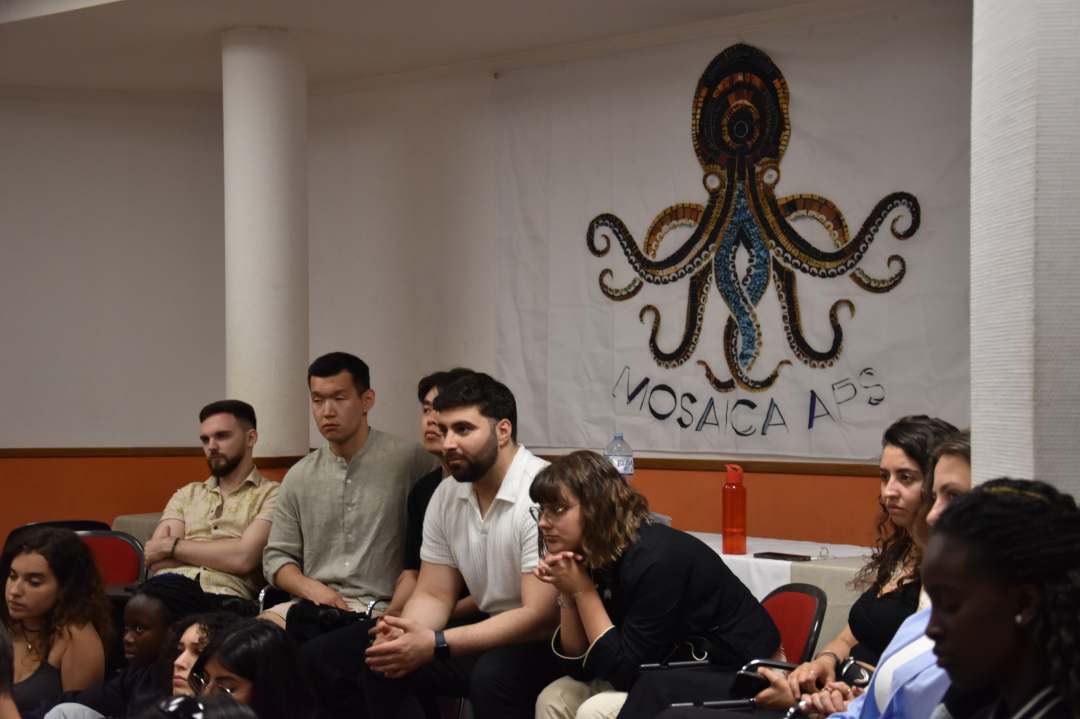
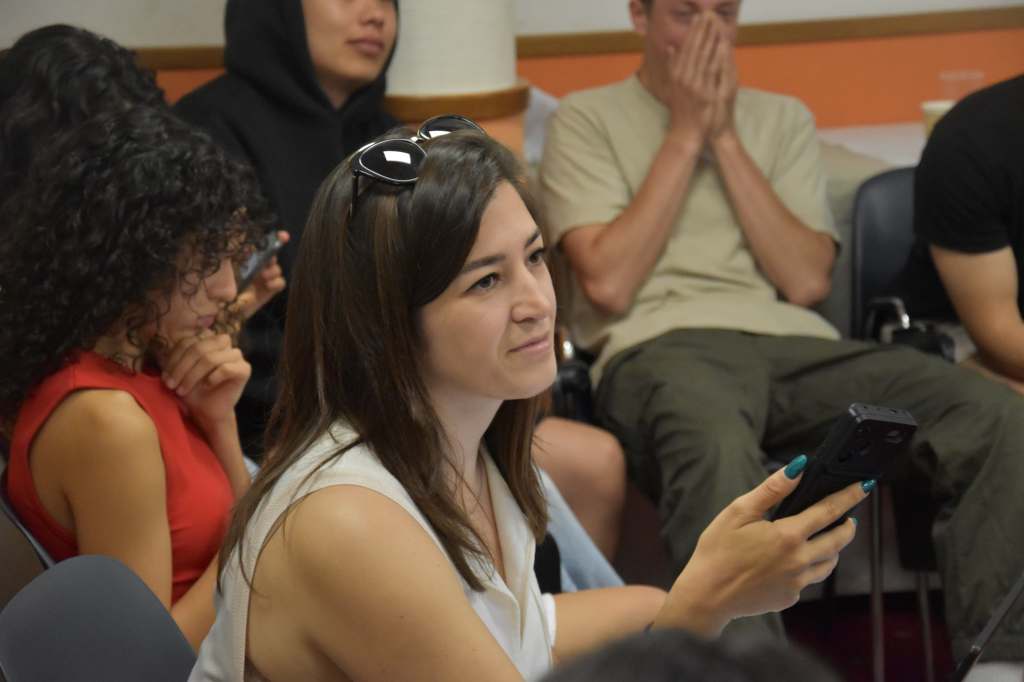
From the 23rd of May to the 1st of June 2025, Mosaica hosted the international training course of Conscious Bodies: E-ntimacy (2024-3-IT03-KA153-YOU-000290707), a project aimed at opening a necessary discussion on how closeness, intimacy, and vulnerability are expressed, shared, and shaped through digital platforms. The project focused on both the risks and opportunities that come with online interactions, with particular attention to young people and youth workers. Together with five partner organizations, Mosaica coordinated the implementation in Italy, welcoming 30 participants for ten days of collective work, exchange, and production.
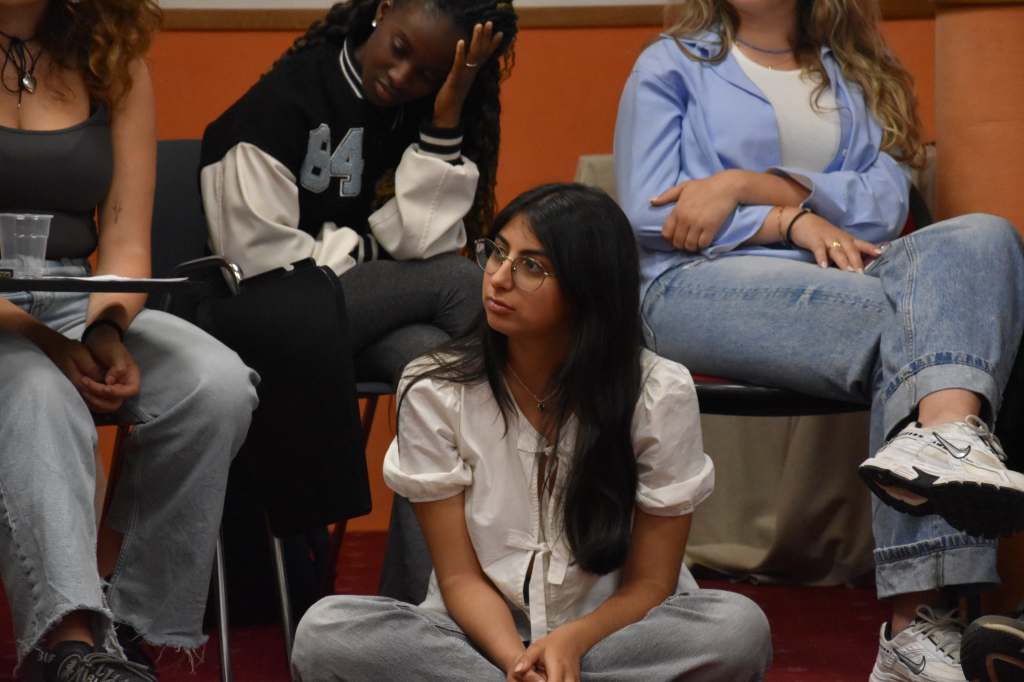
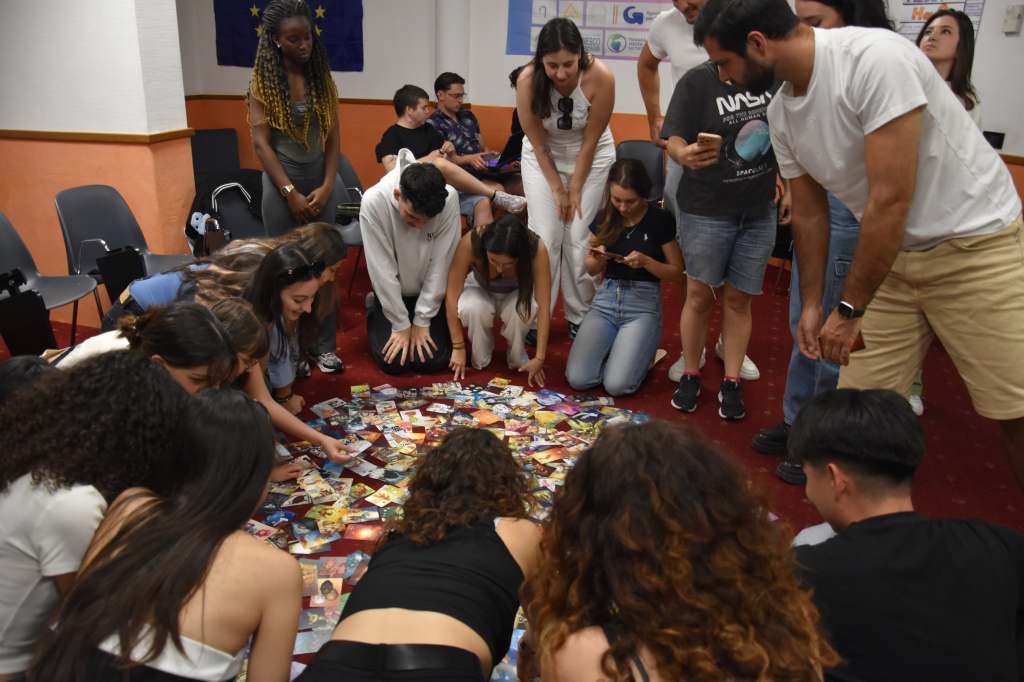
The meeting took place in Guidonia Montecelio, with all activities and accommodation based at Park Hotel Imperatore Adriano. Mosaica handled all aspects of preparation and delivery: coordination, planning, logistics, facilitation setup, support, and communication. The educational part of the programme was led by Luca Bellino, who developed and delivered a series of non-formal education workshops specifically developed to match the themes of the project and the learning profiles of participants. These workshops were not pre-packaged but created for this event with the clear intention of engaging participants actively and critically.
Tamara Hodak ensured that all logistical aspects ran smoothly before and during the implementation.
The Mosaica volunteer team, Aisha Camara, Fatima Daffy, Jacopo Valeriani, and Angelica Carozza, contributed with presence, energy, and efficiency, playing a key role in maintaining an organised and welcoming environment for everyone involved.
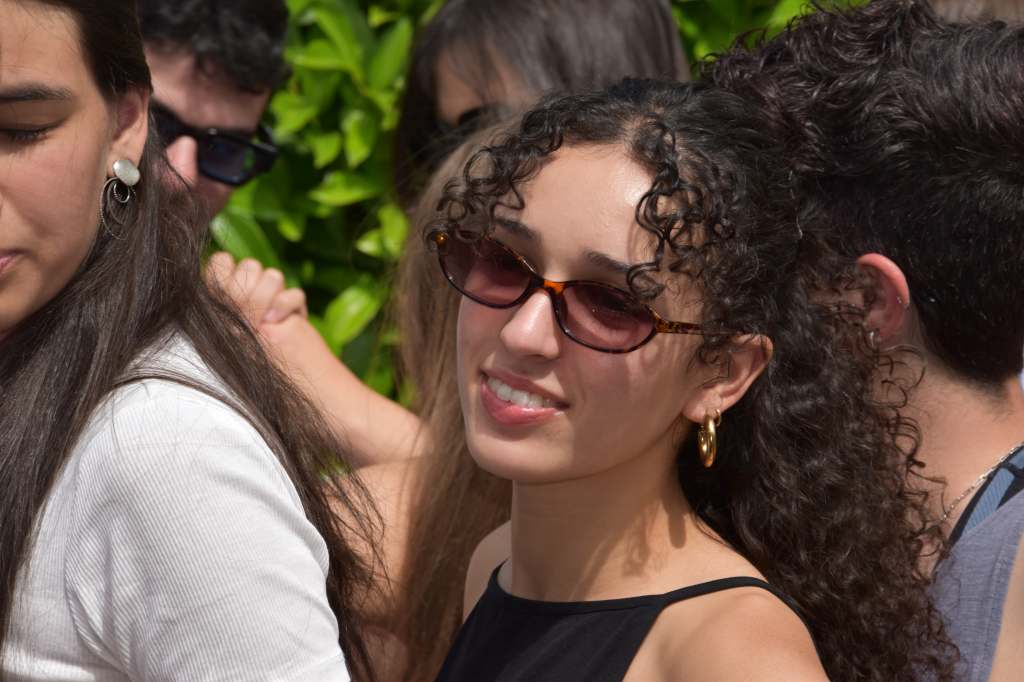
The sessions explored a range of complex and often under-discussed issues surrounding digital intimacy, including:
● Consent in digital communication
● Sexting
● Oversharing
● AI erotica
● Deepfake
● Cyberbullying
● Sextortion
● Revenge porn
● Grooming
● Fake profiles on dating apps
● And much more.
In parallel, the group discussed and highlighted positive uses of digital intimacy: connection across distance, emotional expression, identity development, peer learning, creative self-representation, and the potential of online platforms to build communities and exchange
knowledge. These reflections and experiences became the basis for the two main intellectual outcomes of the project.
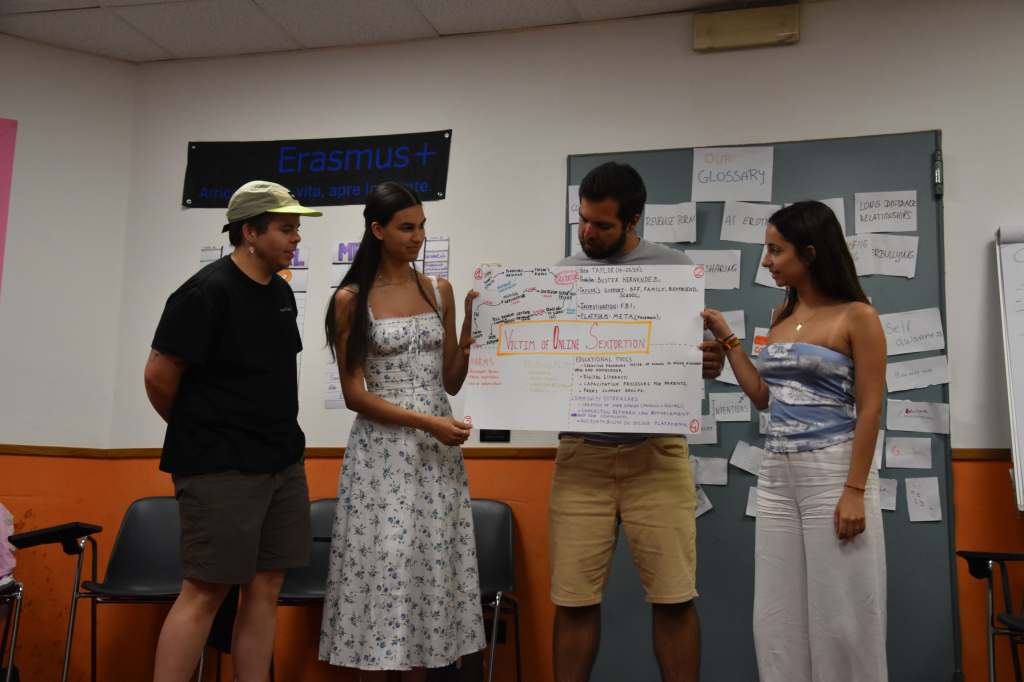
Despite the short timeframe, participants completed the first version of the project handbook – a tool that brings together their input, reflections, and creative work. It will be made publicly available on the Mosaica website soon. Furthermore, the participants created a video guide, which is currently being edited. Like the handbook, the video was produced entirely within the duration of the activity, and entirely by the participants. Both tools reflect their deep commitment, cooperation, and sense of responsibility to the topic and its importance.
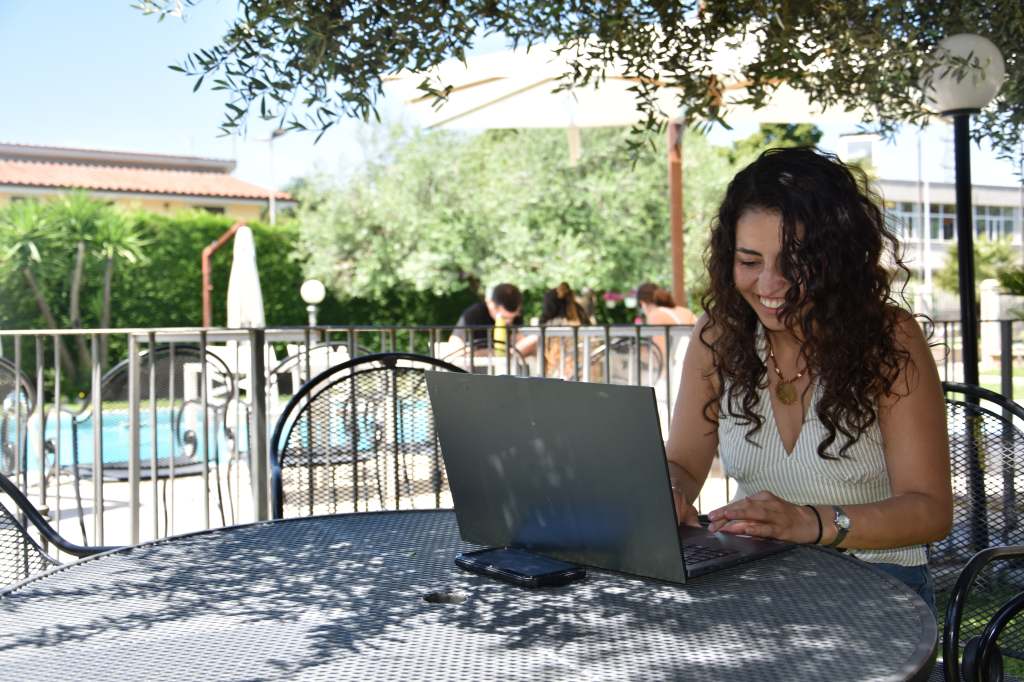
The next step in Conscious Bodies: E-ntimacy is the organization of follow-up activities in all partner countries. These events will allow the project to continue beyond the international implementation, bringing the content and tools into new spaces and communities.
We would like to express our full gratitude to all the partner organizations:
● Pangaea Youth Network (Denmark)
● Caminho Coop (Portugal)
● Kultur und Art (Germany)
● UNO (Spain)
● Club for UNESCO for Piraeus and Islands (Greece)
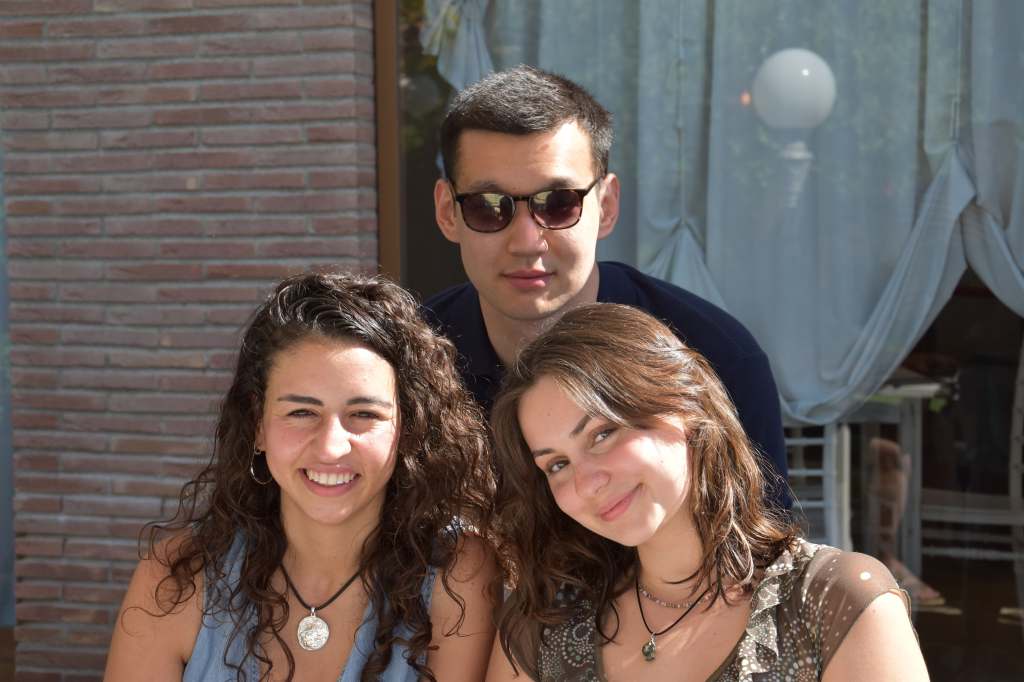
Thank you for conducting great teams, for contributing to the overall development of the project, and for being present, punctual, transparent, and helpful throughout the process. Your professionalism and active participation were felt in every part of the implementation.
A warm thank you also goes to the staff of Park Hotel Imperatore Adriano, whose support and flexibility created the necessary conditions for the project to run at full capacity.
And finally, our sincerest thanks to all 30 participants and the volunteers from Mosaica, whose energy, ideas, and continuous collaboration made this activity not only possible, but genuinely impactful.
The project continues as a living process that moves forward online, offline, and across borders. In each partner country, follow-up activities are already taking shape, driven by the same energy, urgency, and collective commitment that defined the implementation in Italy. What was started together doesn’t end with a goodbye; it carries on through workshops, discussions, and shared moments that will keep evolving. Everyone involved, participants, partners, volunteers, now holds a piece of that responsibility, and together we’re keeping the conversation alive, relevant, and growing.

