
💠 Conscious Bodies: E-ntimacy
Training Course Implementation Report
📍 Guidonia Montecelio, Italy | May 2025
From May 23 to June 1, 2025, Mosaica hosted the Conscious Bodies: E-ntimacy (2024-3-IT03-KA153-YOU-000290707) training course in Guidonia Montecelio, Italy, bringing together 30 youth workers, educators, facilitators, and activists from six partner organizations across Europe.
The training course was part of the broader Erasmus+ KA153-YOU project Conscious Bodies: E-ntimacy, designed to equip youth workers with the knowledge and tools to address the complex challenges of digital intimacy. The project explored the risks young people face in online spaces and how youth workers can help prevent harm, promote digital safety, and support healthy, informed relationships.
The training aimed to raise awareness of online threats, such as grooming, sextortion, cyberbullying, and gender-based violence, and to build the capacity of youth workers to respond effectively. Participants explored the legal, psychological, and social dimensions of digital intimacy, with an emphasis on developing educational resources and facilitation tools.
The course responded to the growing need for critical digital literacy, emotional safety, and inclusive practices in an era where young people increasingly navigate identity, connection, and vulnerability online.
✨ Introduction
From May 23 to June 1, 2025, Mosaica hosted the Conscious Bodies: E-ntimacy (2024-3-IT03-KA153-YOU-000290707) training course in Guidonia Montecelio, Italy, bringing together 30 youth workers, educators, facilitators, and activists from six partner organizations across Europe.
The training course was part of the broader Erasmus+ KA153-YOU project Conscious Bodies: E-ntimacy, designed to equip youth workers with the knowledge and tools to address the complex challenges of digital intimacy. The project explored the risks young people face in online spaces and how youth workers can help prevent harm, promote digital safety, and support healthy, informed relationships.
The training aimed to raise awareness of online threats, such as grooming, sextortion, cyberbullying, and gender-based violence, and to build the capacity of youth workers to respond effectively. Participants explored the legal, psychological, and social dimensions of digital intimacy, with an emphasis on developing educational resources and facilitation tools. The course responded to the growing need for critical digital literacy, emotional safety, and inclusive practices in an era where young people increasingly navigate identity, connection, and vulnerability online.
🧭 The Journey
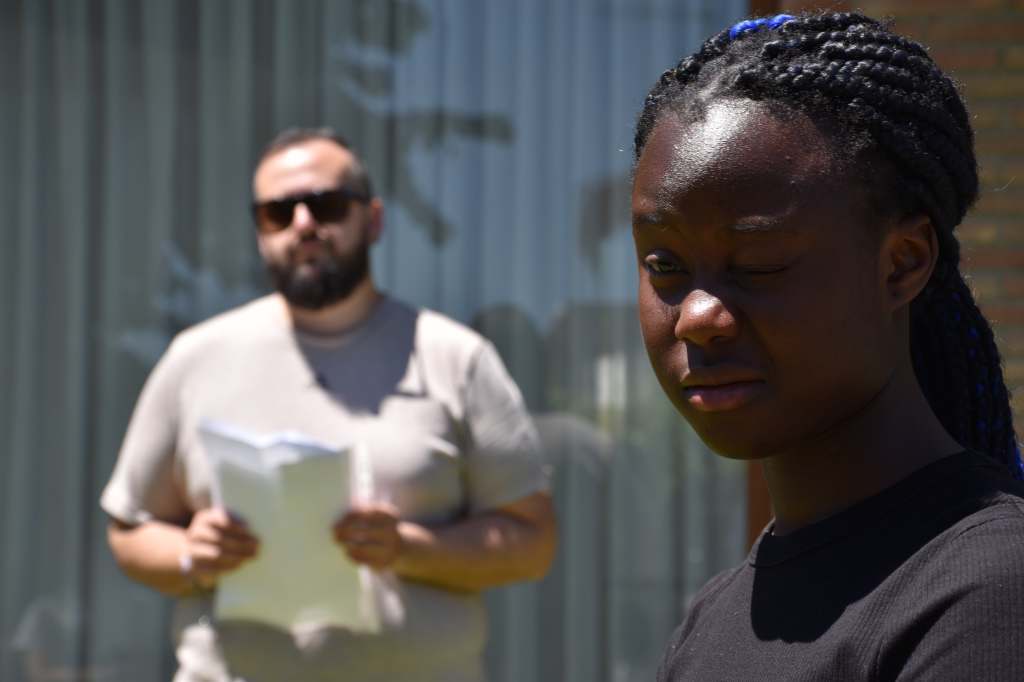
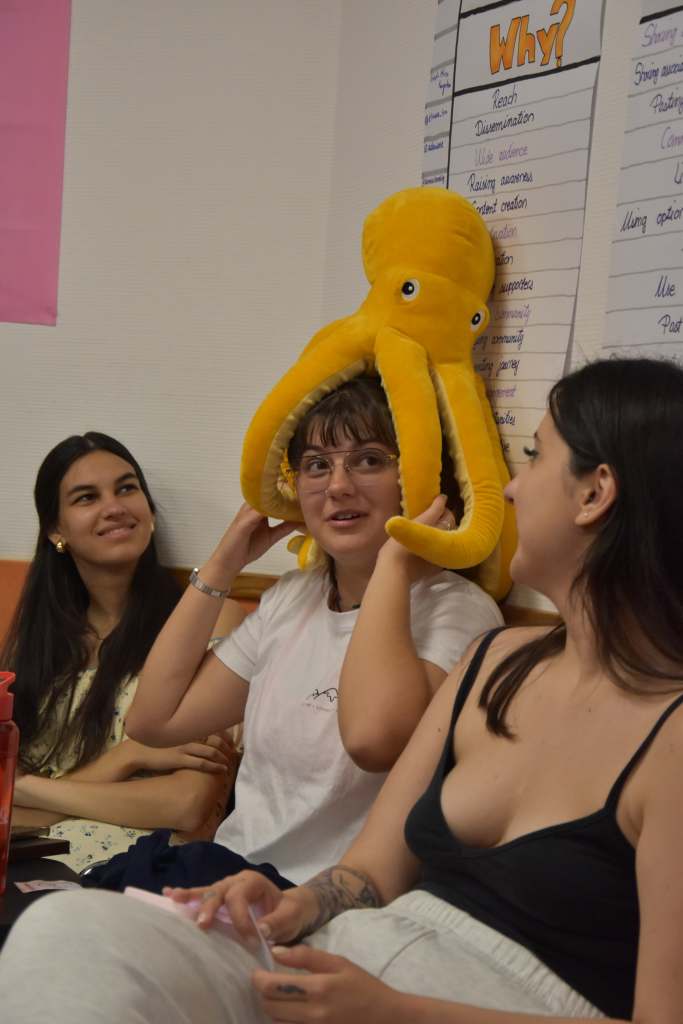
The training took place in a peaceful venue on the outskirts of Rome, offering both indoor and outdoor spaces that allowed participants to slow down and re-engage with themselves and each other.
We began with grounding sessions that introduced daily rituals. From there, each day unfolded through a carefully curated flow of non-verbal exploration, guided movement, storytelling, reflection, and group dialogue.
Key workshop topics included:
🧠 Digital consent and communication: how to clearly express and understand boundaries in online interactions, including the sharing of images, sexting, and social media exchanges.
🚨 Online grooming and exploitation: identifying patterns and warning signs, and developing methods to educate young people on prevention and reporting.

📸 Non-consensual image sharing: understanding its impact and discussing strategies for support and advocacy.
🏳️🌈 Digital safety for queer and marginalized youth: recognizing the specific vulnerabilities certain groups face and how youth workers can respond with inclusivity and awareness.
💬 Constructive approaches to e-ntimacy: how to support young people in forming meaningful, safe digital connections without moralizing or fearmongering.
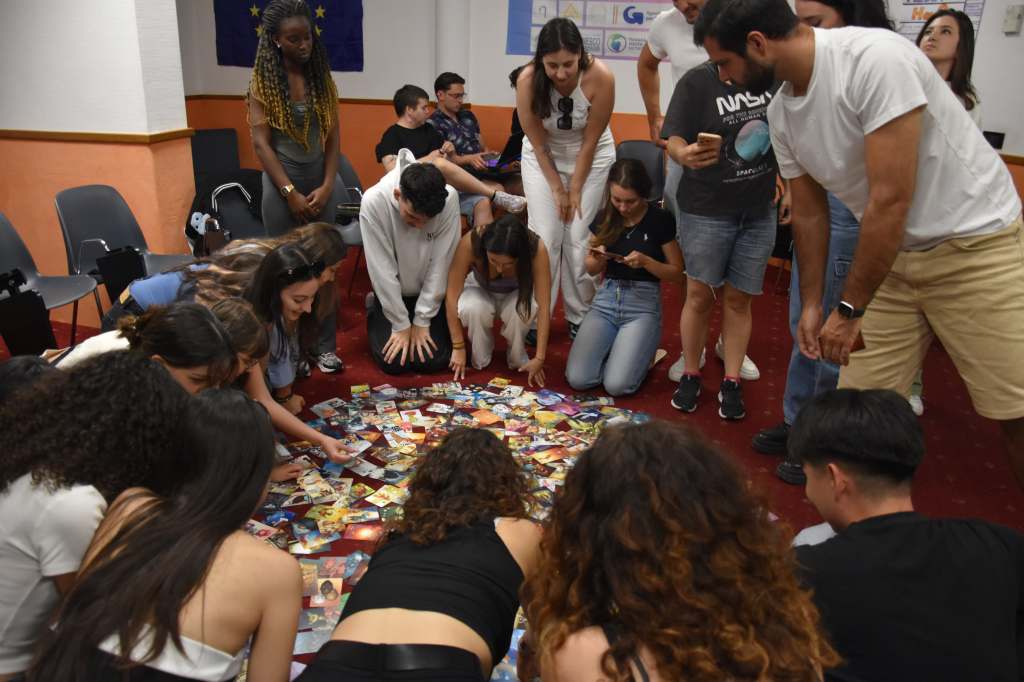
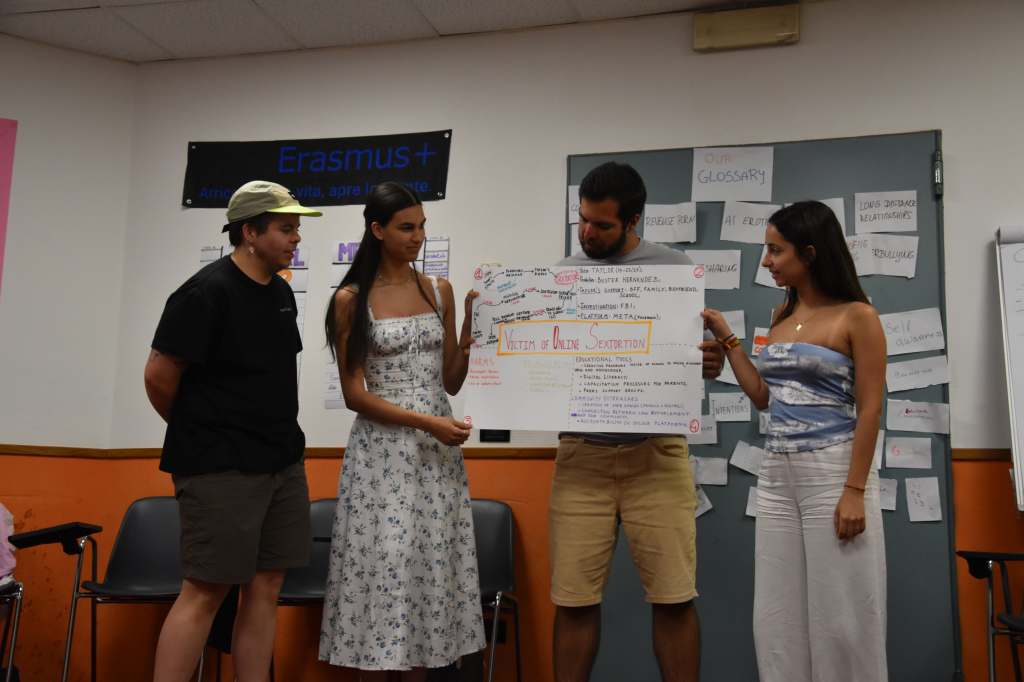
Tool design workshops were collaborative sessions where participants worked in small groups to create educational materials that would support youth workers in facilitating discussions about digital intimacy, consent, boundaries, and online safety.
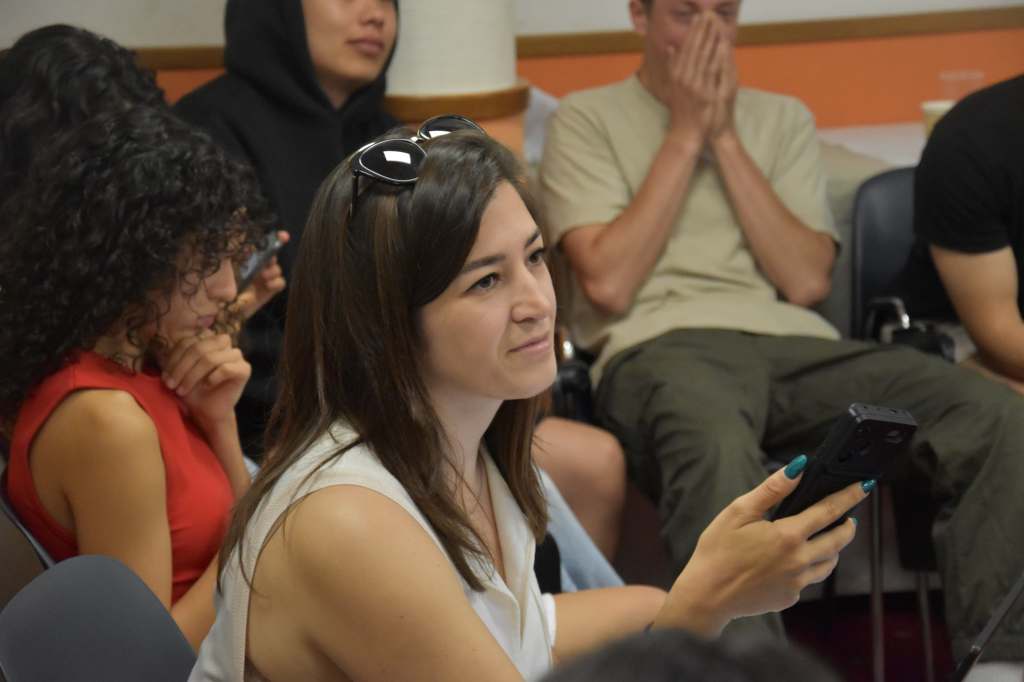
What made the process powerful was not only the content, but the atmosphere of radical care, deep listening, and authentic presence that developed over the week.
🤝 Atmosphere & Group Dynamics
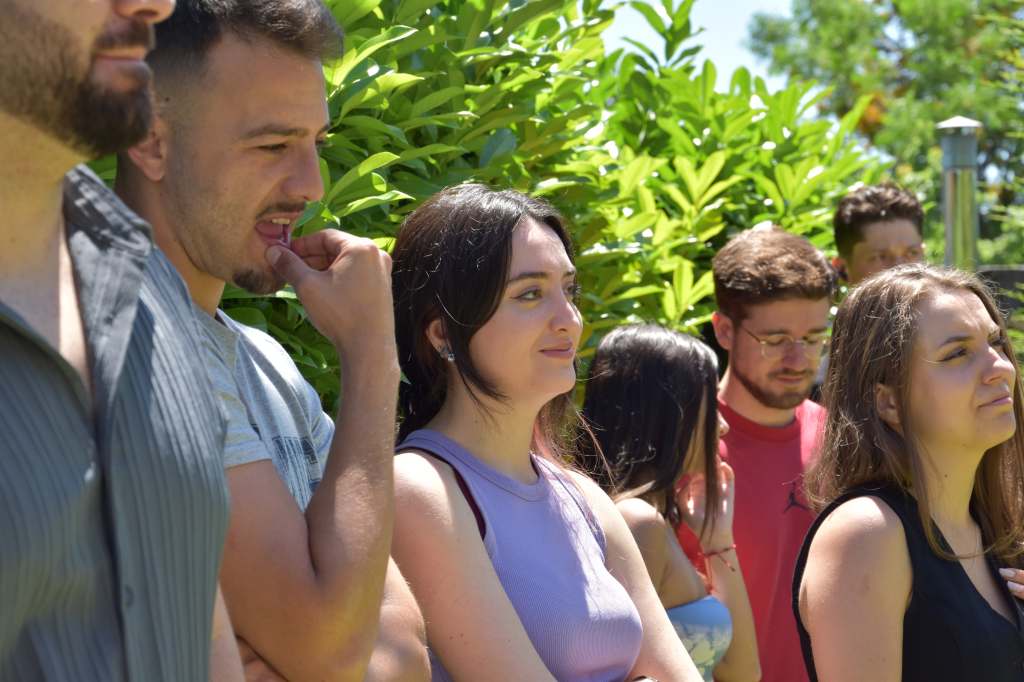
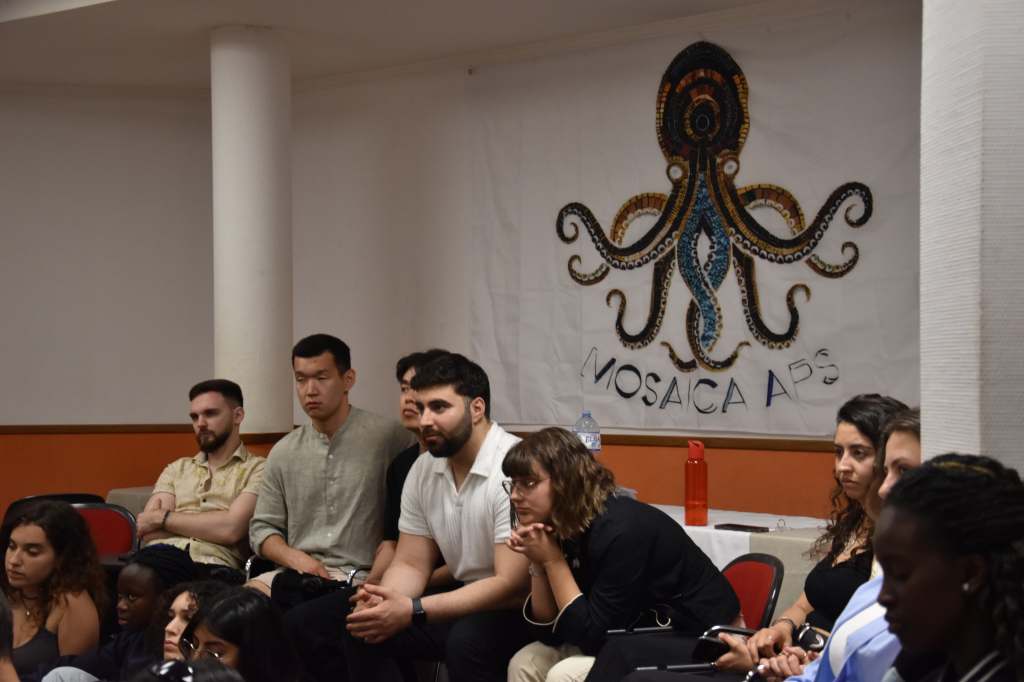
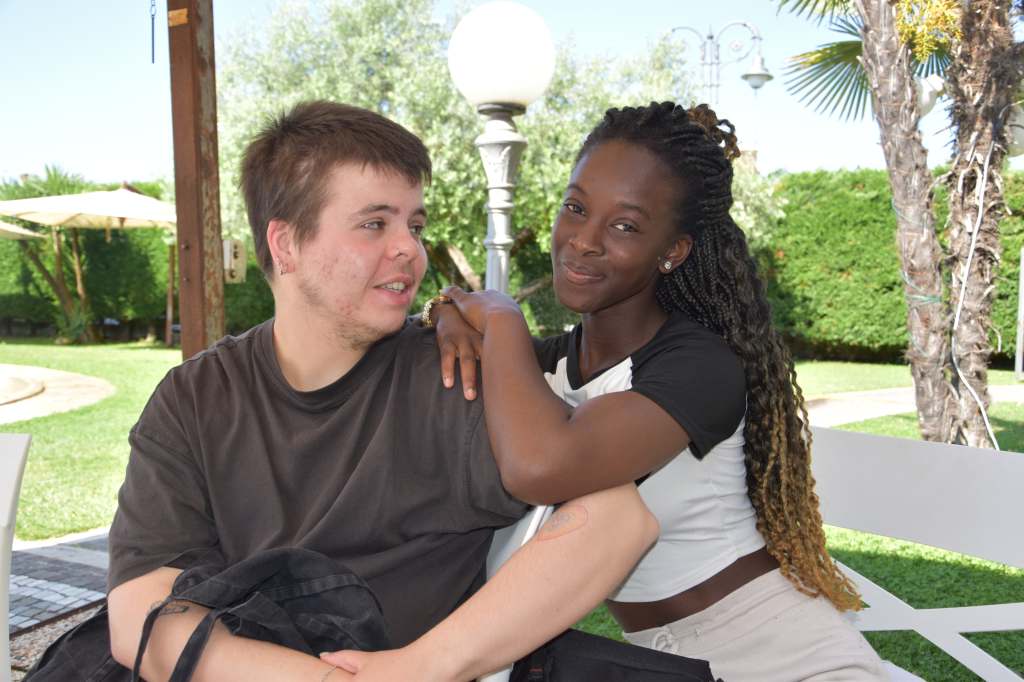
The energy throughout the implementation was consistently positive, dynamic, and purpose-driven. From the first day, the group displayed a strong sense of mutual respect and curiosity. Participants came from a wide range of countries, professions, and backgrounds, each contributing a unique perspective to the collective process.
Despite the diversity in personalities, working styles, and cultural frameworks, the group quickly found a rhythm. There was a noticeable shared commitment to learning, collaboration, and producing tangible results. Participants engaged fully in the workshops, contributing ideas, asking fundamental questions, and actively shaping the outcomes. Their openness, reliability, and enthusiasm helped to create an environment where work felt inspiring and community-minded.
The atmosphere did not go unnoticed: people we met during our time in the hosting community often commented on the strength of the group spirit and the professionalism we brought to every activity. Breaks and evenings were filled with noteworthy conversations, brainstorming, laughter, and spontaneous idea exchanges.
This strong group cohesion was not just social — it translated directly into the quality of the outputs. The tools created by participants reflect the high level of attention, collaboration, and care that went into each working process.
📚 Learning Outcomes
📖 Knowledge
Participants gained a clear understanding of digital risks such as sexting, grooming, cyberbullying, revenge porn, and other emerging threats like deepfakes and AI manipulation. They explored the psychological impact of online relationships on individuals. Legal and ethical frameworks related to consent, data protection, and support services were also addressed.
🛠️ Skills
Workshops focused on facilitation and communication skills for discussing sensitive digital topics. Participants learned inclusive language, effective dialogue methods, and how to create safe spaces for youth conversations. They developed educational resources, interactive activities, and role-play scenarios to help young people recognize and respond to online risks. Crisis intervention and digital resilience strategies were also key components.
💡 Attitudes and Behavior
Participants grew more confident addressing online intimacy and committed to promoting safe, inclusive digital environments. They gained awareness of equality issues and strategies to challenge stereotypes. A long-term dedication to youth empowerment and promoting leadership and autonomy among marginalized youth was expressed.

🧰 Practical Tools Developed
The workshops produced practical tools for youth workers, including:
📕 A handbook focused on preventing online risks and promoting safer digital intimacy
📽️ A video guide offering educational strategies and insights for working with youth
💭 Final Thoughts
Conscious Bodies is a quiet revolution. The experience was not about rejecting digital life, but about approaching it with more awareness and care.
Youth workers who joined the training are now preparing follow-up activities in their local communities, bringing these embodied practices to young people across Europe. These events will adapt the spirit of Conscious Bodies into new forms — through training sessions, storytelling workshops, intimate digital spaces, guest appearances in events, association offices, universities…
This implementation was just one step in a broader journey toward reimagining how we relate to ourselves, to others, and to our digital lives.
🌍 Partners & Acknowledgements
The project was implemented by Mosaica in collaboration with:
🔹 🇮🇹 Mosaica APS – Rome, Italy
👉 A dynamic organization committed to non-formal education, youth empowerment, and digital literacy.
🔹 🇵🇹 Caminho, CRL – Guimarães, Portugal
👉 Dedicated to social inclusion, education, and non-formal learning methodologies.
🔹 🇩🇪 Kultur & Art Initiative e.V. – Detmold, Germany
👉 A creative hub promoting arts, culture, and youth development through international projects.
🔹 🇪🇸 Asociación Uno Valencia, Spain
👉 Experts in socio-emotional development, fostering international cooperation and youth empowerment.
🔹 🇬🇷 Omilos gia tin UNESCO Pireos & Nisou – Nikea, Greece
👉 A key player in cultural and educational initiatives, promoting youth participation and inclusion.
🔹 🇩🇰 Pangaea Youth Network – Horsens, Denmark
👉 A youth-led network focusing on social innovation, leadership, and community engagement.
📌 This training course was co-funded by the Erasmus+ Programme of the European Union.
💙 Gratitude goes to all facilitators, participants, partner organizations, and the local staff at Park Hotel Imperatore Adriano who helped create this rare and needed space.
 apsmosaica.com