dissemination in Greece
The Conscious Bodies E-ntimacy project focused on strengthening youth workers’ capacity to address the increasingly relevant issue of online intimacy among young people. By exploring the digital dimension of relationships, it provided professionals with the knowledge and tools needed to engage with these sensitive topics more confidently and effectively.
Now that the project has been completed, youth workers are equipped with practical resources that can be integrated into their daily work. These tools support them in guiding young people through various online risks—including fraud, data theft, and the sharing of intimate content—while promoting healthier and more respectful online relationship habits.
From May 23 to June 1, 2025, in Guidonia Montecelio, youth workers, educators, creatives, and young minds from Italy, Portugal, Germany, Spain, Greece, and Denmark came together to work on two educational tools shaped by stories, reflections, and shared experiences. The result of this collaborative process was a video guide and a handbook — a ready-to-use toolbox for youth workers, educators, school staff, peer facilitators and anyone working with young people.
The project, implemented in collaboration with: Mosaica APS, Caminho CRL, Kultur & Art Initiative e.V., Asociación Uno, Omilos gia tin UNESCO Piraios & Nison, Pangaea Youth Network.
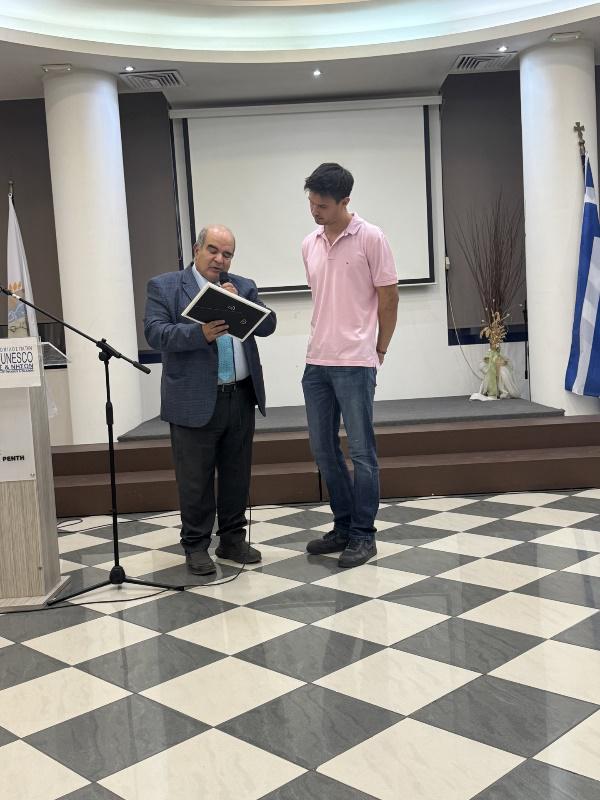
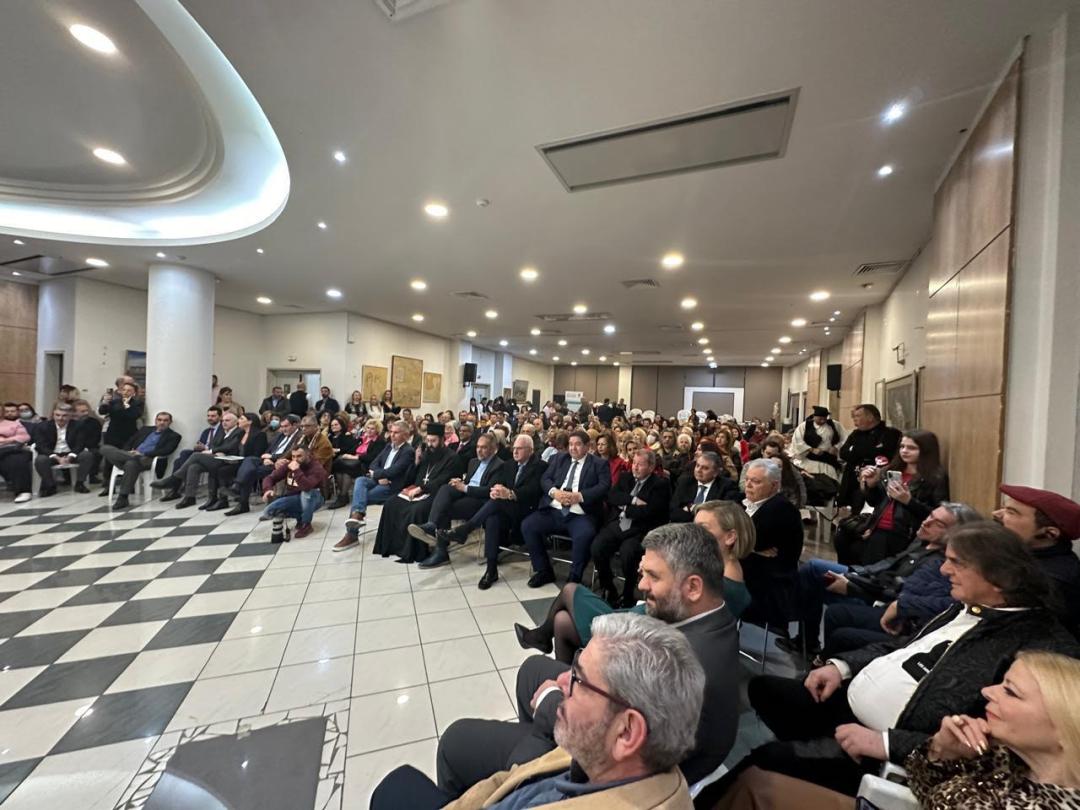
On October 13, 2025, the Conscious Bodies project was presented to the public in Greece during the Paradosis Festival at the Municipality Hall of Nikaia–Agios Ioannis Rentis. The dissemination event brought together youth workers, educators, representatives of local authorities, and members of the wider community interested in issues related to youth, digital culture, and online relationships.
During the presentation, representatives of Club for UNESCO Piraeus and Islands, the president mr Ioannis Maronitis and the youth responsibles Alexandros Gourgiotis and Anastasia Koukhnova, provided an overview of the project’s objectives, implementation phases, and key outcomes. They also introduced the two main educational outputs — the video guide and the handbook — designed to support youth professionals in addressing topics of online intimacy, safety, and digital interaction.

The audience was informed about the project’s progress and results, and participants had the opportunity to engage in an open discussion. Several questions and comments were raised, reflecting genuine interest in the project’s content and its applicability in educational and youth work contexts. The exchange of views underlined the relevance of the initiative and the need for continued dialogue and training in this field.
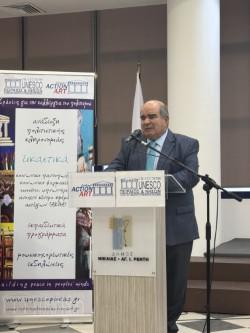
The event concluded with positive feedback from attendees, confirming the importance of projects such as Conscious Bodies in promoting awareness, responsibility, and empathy in the digital lives of young people.
 apsmosaica.com